
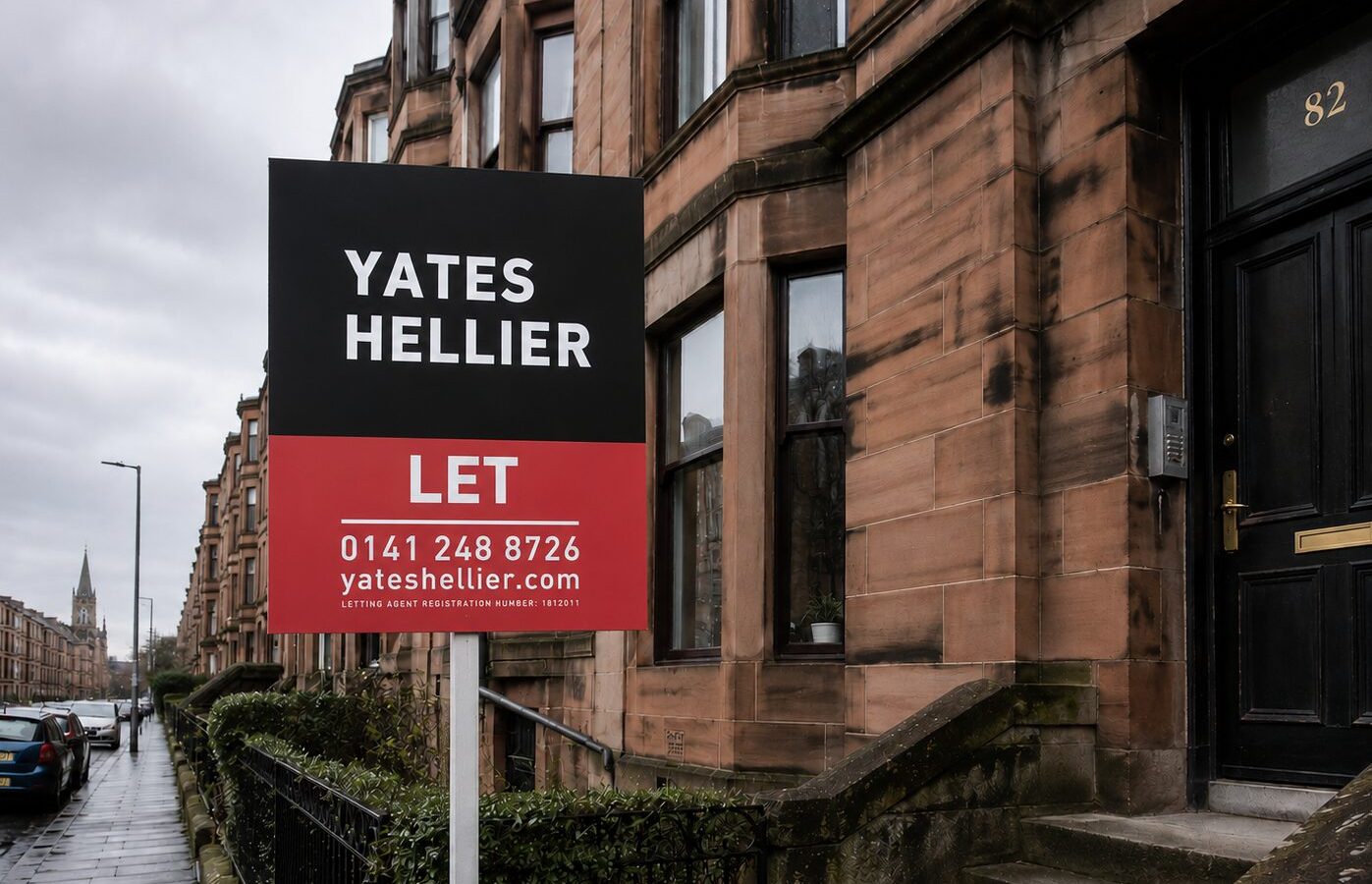
How to reduce void periods in Glasgow’s rental market
Void periods remain one of the biggest concerns for landlords across Glasgow. Even short gaps between tenancies can affect annual returns, particularly when combined with mortgage payments, insurance, maintenance costs, and council tax liabilities.
Although tenant demand across Glasgow is still strong in many areas, the market has become more competitive. Tenants are more selective, expectations are higher, and properties that are poorly presented or overpriced can sit empty for longer than many landlords expect.
Reducing void periods is not simply about advertising a property quickly. It requires preparation, good management, and an understanding of what tenants are looking for in the current market.
Price the property realistically
One of the main reasons properties remain vacant is incorrect pricing.
It is understandable that landlords want to maximise rental income, but setting the rent too high can often have the opposite effect. A property that remains empty for several weeks can quickly offset any potential increase in monthly rent. Remember, it’s not an increase if you can’t rent it out at the inflated price. Rental values should be based on:
- Current market demand
- Comparable local properties
- The condition and specification of the property
- Transport links and nearby amenities
- Seasonal changes in the market
Different parts of Glasgow perform differently (e.g. the West End versus the City Centre) depending on the property type, the location and the level of demand, so it is important to properly understand the local market.
Presentation matters
Tenants often decide whether to arrange a viewing based on the online advert alone, which means presentation plays a major role in reducing void periods. Well-presented properties tend to attract more enquiries and applicants of a higher quality. Simple improvements can make a noticeable difference, including:
- Fresh paintwork
- Neutral decor
- Clean carpets and flooring
- Modern lighting
- Tidy communal areas
- Minor repairs completed before marketing
- Modern bathrooms and kitchens
Professional photography is also crucial in helping a property to stand out and creating a stronger first impression online.
Prepare for the end of a tenancy early
Many void periods become longer than necessary because preparations begin too late. A proactive approach before a tenancy ends can help reduce downtime significantly. This might include:
- Carrying out a pre-check-out inspection
- Identifying maintenance work in advance
- Booking contractors early
- Arranging cleaning immediately after move-out
- Preparing marketing materials ahead of time
In many cases, properties can be advertised while the current tenant is still in place, provided the correct notice and access arrangements are followed.
Respond to enquiries quickly
The rental market moves quickly, particularly in popular parts of Glasgow. Prospective tenants are often enquiring about several properties at once, so delays in communication can lead to missed opportunities. Fast responses to viewing requests, applications and tenancy paperwork can help secure tenants more quickly and reduce unnecessary gaps between tenancies.
Flexible viewing times can also help increase interest, particularly for working professionals who may only be available during evenings or weekends.
Retaining good tenants is equally important
Reducing void periods is not only about finding new tenants. Retaining reliable long-term tenants is just as valuable. Tenants are more likely to stay for longer when:
- Maintenance issues are dealt with promptly
- Communication is clear and professional
- The property is kept in good condition
- Rent increases are fair and realistic
Longer tenancies reduce reletting costs and help provide more consistent rental income over time.
Understand what tenants want
Tenant expectations have changed over recent years, and landlords who adapt to these changes are often in a stronger position to reduce vacancy periods.
Features that are increasingly important include:
- Good broadband connectivity
- Energy-efficient heating
- Modern kitchens and bathrooms
- Space for home working
- Secure entry systems
- Outdoor space where available
Energy efficiency has become particularly important as tenants become more conscious of household running costs. Improvements such as upgraded insulation, efficient boilers and double glazing can help make a property more attractive.
The value of professional management
A proactive letting agent can help reduce void periods by ensuring properties are marketed effectively and managed efficiently throughout the tenancy process.
This can include:
- Accurate rental valuations
- Professional marketing
- Tenant screening and referencing
- Coordinating maintenance works
- Managing communication throughout the tenancy
Local market knowledge is particularly important in Glasgow, where demand can vary considerably between different areas and property types.
Final thoughts
Void periods are an unavoidable part of property investment at times, but they can often be reduced with the right approach.
Realistic pricing, strong presentation, efficient management and good tenant communication all play an important role in keeping properties occupied and maintaining consistent rental income in Glasgow’s rental market.
How we can help
At Yates Hellier, we specialise in managing rental property across Glasgow and work closely with landlords to help minimise void periods and maintain consistent occupancy levels.
If you are currently experiencing a void period or are concerned about this happening, we can help. For those landlords finding it difficult to manage the day-to-day demands of letting property independently, moving to professional property management can help reduce stress, improve efficiency, and ultimately protect rental income over time. Now could be the perfect time to make the switch. Contact our team today on 0141 248 8726.