
How to Add Value Before Selling Your Glasgow Home
By Ross Yates
When I visit clients to value their home, one of the first questions they ask is what they should do to it before going on the market.
Recently, a client was showing me around her house during a valuation appointment, and like most people, she’d already started making a mental list of everything she and her husband thought needed done. “We’ve been talking about replacing the kitchen,” she told me. “And we were thinking about redoing the bathroom too. What do you think?”
People often think I’m going to hand them a huge list of jobs, which includes that new kitchen. Quite often though, it’s the opposite.
In this case, I told my client not to bother, which surprised her. While the kitchen she had was a more traditional style, it was a good quality kitchen. It had been looked after, everything worked and there was nothing that would put a buyer off.
I always advise my clients that they don’t necessarily need to spend thousands of pounds to achieve a better sale price.
Think Carefully Before Renovating
I explained to my client that a brand-new kitchen rarely adds pound-for-pound what it costs to buy and have fitted. If my client spends £10,000 or £20,000 on a new kitchen, for example, they’d want the sale price to reflect this, which isn’t always guaranteed.
There’s also the fact that buyers all have different tastes. Whoever buys the house will hopefully be there for a long time; it’s likely to become their family home for the next twenty years. They’ll want to put their own stamp on it, so there’s every chance a brand-new kitchen fitted just before selling isn’t the kitchen they would have chosen and it might just get ripped out.
It’s much better to have a slightly more traditional kitchen (or bathroom) than a cheap new one that’s been fitted simply because the owners felt they had to. Unless the room is genuinely tired or no longer functional, I’d usually recommend spending that money elsewhere.
Large renovation projects have a habit of taking longer than expected. Costs creep up, unexpected problems appear and before you know it, you’ve delayed putting your house on the market by months. Generally speaking, it’s probably going to be more beneficial to spend a week working through a sensible list of jobs than spend the whole summer managing a renovation.
There are exceptions, of course. Sometimes a kitchen or bathroom really has seen better days and replacing it is the right thing to do. In these cases, I always recommend choosing something neutral.
Get the Basics Right First
Instead of trying to tart the house up to make it look like a show home, I advise people to spend a week getting the basics right.
Buyers notice everything. They’ll try the windows, open cupboard doors. They’ll look for any dampness and ask how old the boiler is. If something sticks, leaks or rattles, they notice it.
Internally, focus on things like freshening up the paintwork, silicone, carpets or flooring, ensuring there are no faults with the windows and all the lights work, and fixing things such as that kitchen drawer that doesn’t close properly. These jobs are smaller and more achievable, and together they completely change how a home feels.
There’s also another very practical reason for doing these jobs. Some of the easiest things to fix are also the things that could come back to bite you later. Windows that don’t open properly, cracked glazing, damaged sealant or small maintenance issues can all end up being picked up during the home report. If they’re simple, preventable repairs, it makes sense to deal with them at the outset.
Think of Your Home Like a Hotel
I always remind clients that buyers are usually thinking about the overall feel of a home rather than ticking off whether every room has just been renovated.
It’s a bit like going to a nice hotel. When you walk into a hotel room, it’s not the décor that makes the biggest impression. Everyone has different tastes. What you notice is that it’s immaculate. Everything works. It feels fresh, clean and well looked after.
I’ve had viewers say to me that a property is so spotless that they could just crawl into the bed and stay the night. That’s exactly the feeling buyers want to have when they walk through the front door.
While everyone can appreciate thoughtfully designed interiors, buyers aren’t judging whether they’d have chosen the same style of kitchen doors. They’re asking themselves whether this feels like a home that’s been cared for and that they can see themselves living in.
Don’t Forget About the Outside
Buyers often start forming an opinion before they’ve even walked through the front door.
Whether it’s a traditional West End flat with communal areas or a detached family home in the countryside, the entrance of a property sets the tone for the whole viewing experience.
Again, small jobs like cleaning the front door, washing the windows, sorting the garden and making sure the entrance feels welcoming all make for a good first impression and help buyers to feel positive even before the viewing has really begun.
Help Buyers See the Space
I often suggest removing a few bits of furniture if a room feels busy. It helps people appreciate the space a bit more.
This is especially true for those properties in busy areas of the West End. You want to create a sense of calm inside for people coming in off the busy street.
Think of what’s free and easy to create – natural light, fresh air and a peaceful space to chill.
Try to remove anything that makes rooms feel smaller than they really are. Clear kitchen worktops, tidy shelves, put away everyday clutter and think about whether everything needs to stay where it is. Having said this, don’t feel your property needs to be empty; you still want it to feel lived-in and homely.
Presentation Makes a Big Difference
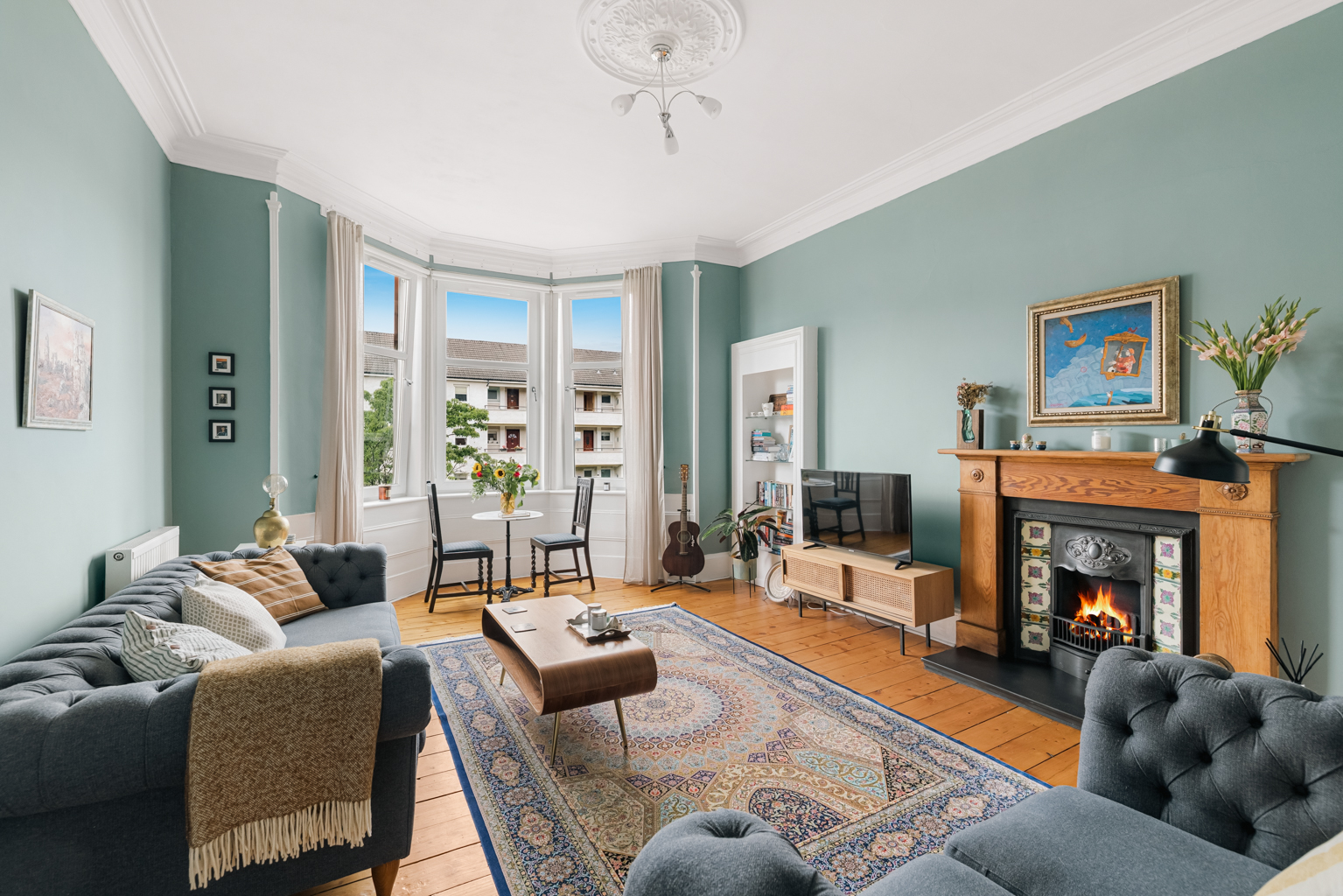
At Yates Hellier, we have our own in-house photographer, Neil, who takes the time to present every home with care and focus on the small details. During a shoot, he’ll often make suggestions, moving plants, furniture or waiting for the right light, making sure each room looks its best. We appreciate that good, professional media makes a big difference to how buyers first experience your home online.
Small things such as opening the blinds, adding fresh flowers, smoothing out the bedsheets and giving everything a thorough clean all help to create brighter photographs that are nicer to look at.
My Final Advice Before Selling
Don’t feel you have to make your home perfect before selling. It doesn’t need to be a show home. A house that’s clean, well looked after and presented well will usually give a much better impression than one where lots of money has been spent for the sake of it, or on the wrong things.
Buyers don’t decide a property is for them because it has the newest kitchen or the nicest bathroom. They remember how the house made them feel.
How We Can Help
Every home is different, which is why we at Yates Hellier always prefer to offer advice that’s tailored to your property, rather than relying on a checklist.
If you aren’t sure what jobs are worth doing before putting your home on the market, I’m always happy to chat this through during our valuation appointment.
If you’re considering selling and would like an up-to-date valuation of your property, contact our sales office on 0141 248 8726 or fill out the form below. We’d be delighted to help.